
# From Fragmented IT to Secure, Observable Operations
Modern enterprises rarely struggle because they lack tools. They struggle because access, networking, security and monitoring have grown in separate silos. The result is familiar: remote-access friction, inconsistent branch security, poor application visibility and incident response that depends on too many consoles.
Layots Technologies helps organizations turn those disconnected layers into an operating model that is secure, observable and ready to scale. The following anonymized scenarios are representative of the challenges our engineers solve. Customer-identifying details and performance figures have been generalized to protect confidentiality.
Use Case 1: Replacing VPN-Centric Access with Zscaler Zero Trust

A distributed enterprise needed to give employees and third-party teams reliable access to SaaS and private applications. Its legacy VPN model backhauled traffic through the data centre, expanded the network attack surface and made user experience difficult to troubleshoot.
The challenge
How Layots helped
Layots began with application discovery, user-group mapping and data-flow analysis. Our architects then designed identity- and context-aware access policies around least privilege. Zscaler Internet Access was aligned to internet and SaaS protection, while Zscaler Private Access was designed for direct, brokered access to private applications without placing users on the corporate network.
The rollout used a controlled pilot, identity-provider integration, connector placement, endpoint onboarding and policy validation. Layots also delivered logging guidance, operational dashboards and support runbooks so the customer’s own team could operate the environment confidently.
Business outcome
The customer gained a simpler remote-access experience, consistent policy enforcement and substantially less dependence on legacy VPN infrastructure. Application-level access reduced unnecessary network exposure, while centralized visibility made access issues easier to isolate. The architecture also created a repeatable onboarding pattern for employees, partners and new applications.
Learn more about the underlying platform on Zscaler’s secure remote access page.
Use Case 2: Consolidating Branch Connectivity and Security with Cato Networks
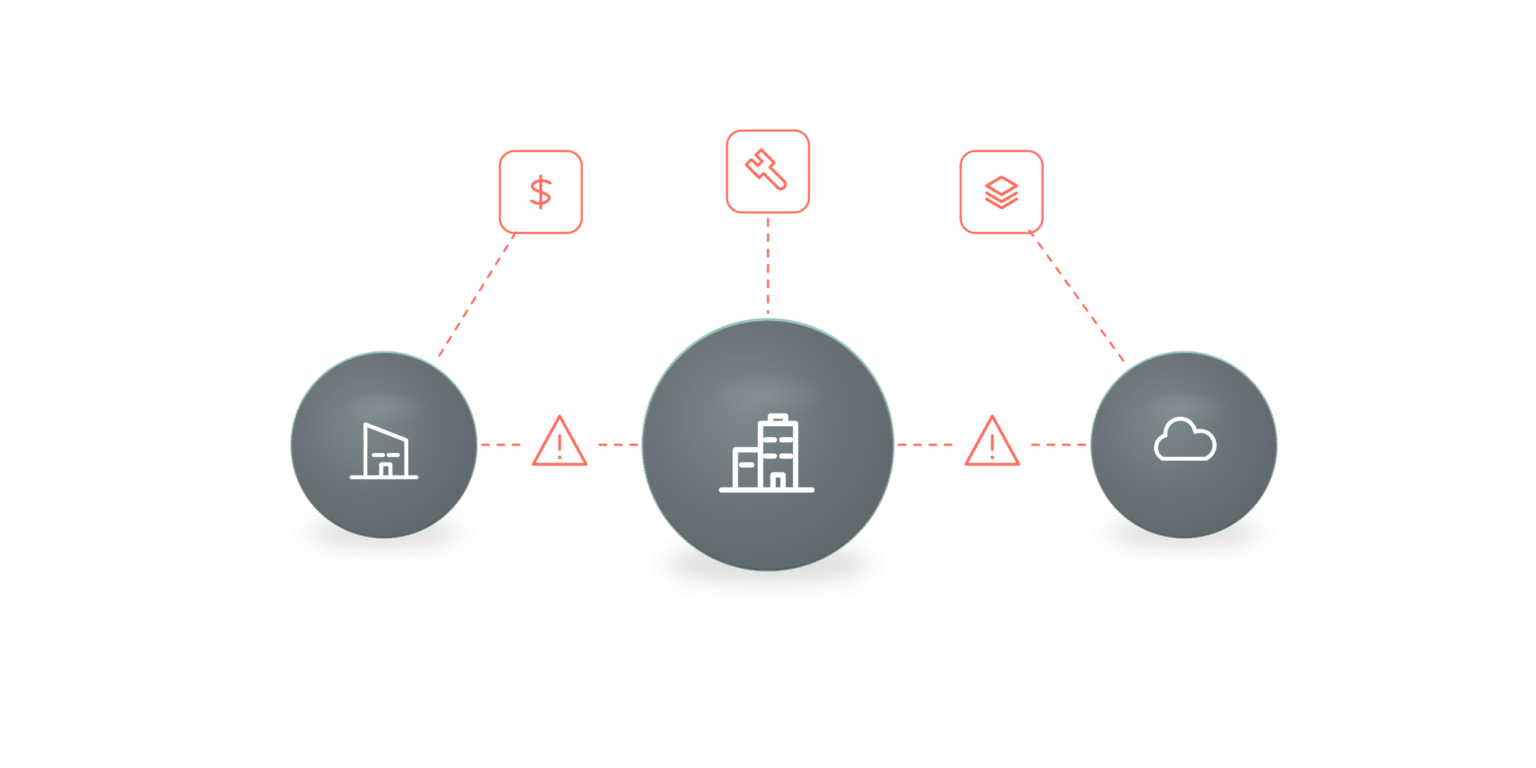
A fast-growing organization had accumulated MPLS links, branch firewalls, remote-access services and multiple cloud connections. Every new location added another appliance, another policy set and another operational dependency. The network worked, but change was slow and troubleshooting crossed too many vendors.
The challenge
How Layots helped
Layots assessed sites, circuits, critical applications and traffic patterns, then created a phased Cato SASE Cloud migration plan. The design combined SD-WAN connectivity, secure internet access, zero-trust access and centralized policy administration in one cloud-delivered architecture.
Our team planned socket and cloud on-ramp deployment, application-aware routing, quality-of-service priorities, resilient link use and policy standards. Locations moved in waves, with validation gates and rollback planning at every stage. Knowledge transfer and operating procedures helped the customer shift from device-by-device administration to policy-led operations.
Business outcome
The customer gained a common operational plane for branches, cloud resources and remote users. Policies became more consistent, link resilience improved and the organization reduced the burden of maintaining a large appliance estate. Most importantly, new-site onboarding changed from a bespoke infrastructure project into a repeatable business process.
Explore the platform on the official Cato Networks SASE platform page.
Use Case 3: Turning Monitoring Data into Action with Datadog
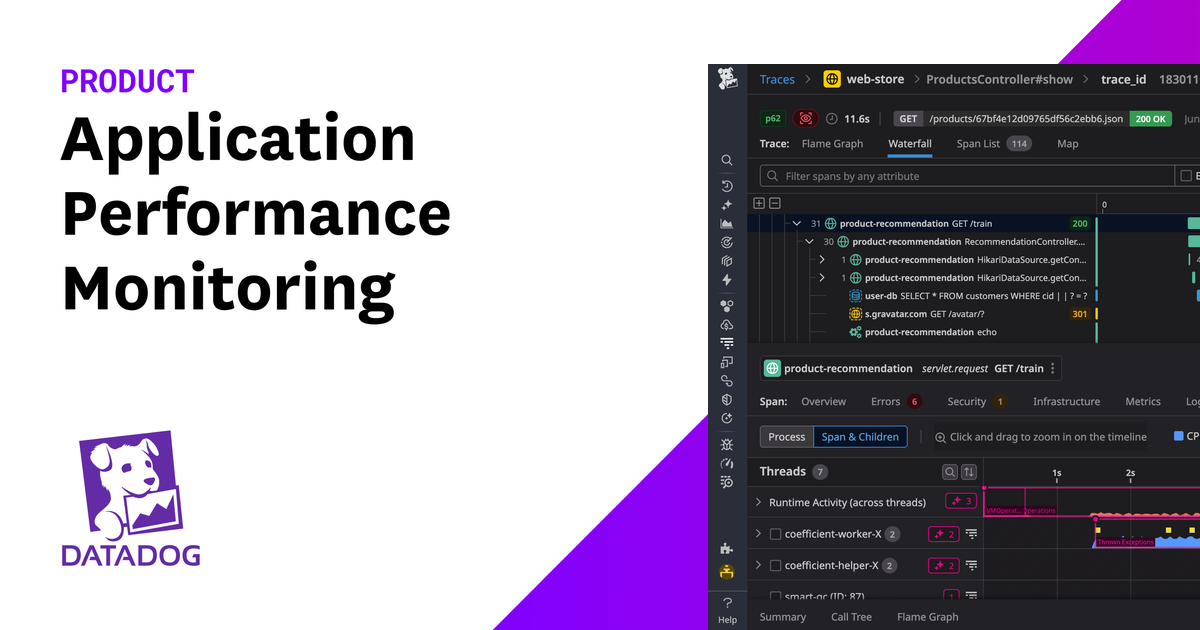
A digital-services company operated applications across cloud infrastructure, containers and managed services. It already collected monitoring data, but incidents still triggered a familiar debate: was the problem in infrastructure, application code, a dependency or the network? Metrics, traces and logs lived in separate workflows, slowing diagnosis.
The challenge
How Layots helped
Layots created a telemetry inventory and a tagging standard covering environment, service, owner, application and business criticality. Datadog agents and integrations were then planned for infrastructure monitoring, application performance monitoring and log management.
Our engineers built service dashboards, dependency views and alerting aligned to meaningful symptoms rather than isolated resource thresholds. Log pipelines, retention choices and ingestion controls were reviewed to keep the deployment useful and cost-aware. The engagement also connected alerts to incident ownership and documented investigation runbooks for common failure patterns.
Business outcome
Engineering and operations teams gained a shared view across metrics, traces and logs. Instead of switching between consoles, responders could follow a request through the stack and narrow the likely cause more quickly. Better tagging improved accountability, while service-level dashboards made technology health easier to discuss with business stakeholders.
See the core capabilities on Datadog’s APM and Infrastructure Monitoring pages.
What Makes These Programs Deliver Value
The three technologies address different priorities, but successful outcomes follow the same pattern:
Which Starting Point Fits Your Organization?
These are not mutually exclusive choices. Many enterprises use zero trust, SASE and observability as complementary layers. Layots helps define the sequence, integrations and operating model that match the customer’s risk, estate and transformation pace.
Ready to Turn Complexity into a Secure, Observable Operating Model?
Layots Technologies can assess your current environment and build a practical roadmap for zero trust, SASE or full-stack observability—without forcing a one-size-fits-all transformation.
Book an IT assessment with Layots to discuss your users, applications, locations and operational goals.
*Zscaler, Cato Networks and Datadog are trademarks of their respective owners. Capabilities referenced here are based on publicly available vendor information. Final architecture and outcomes depend on each customer’s environment and implementation scope.*